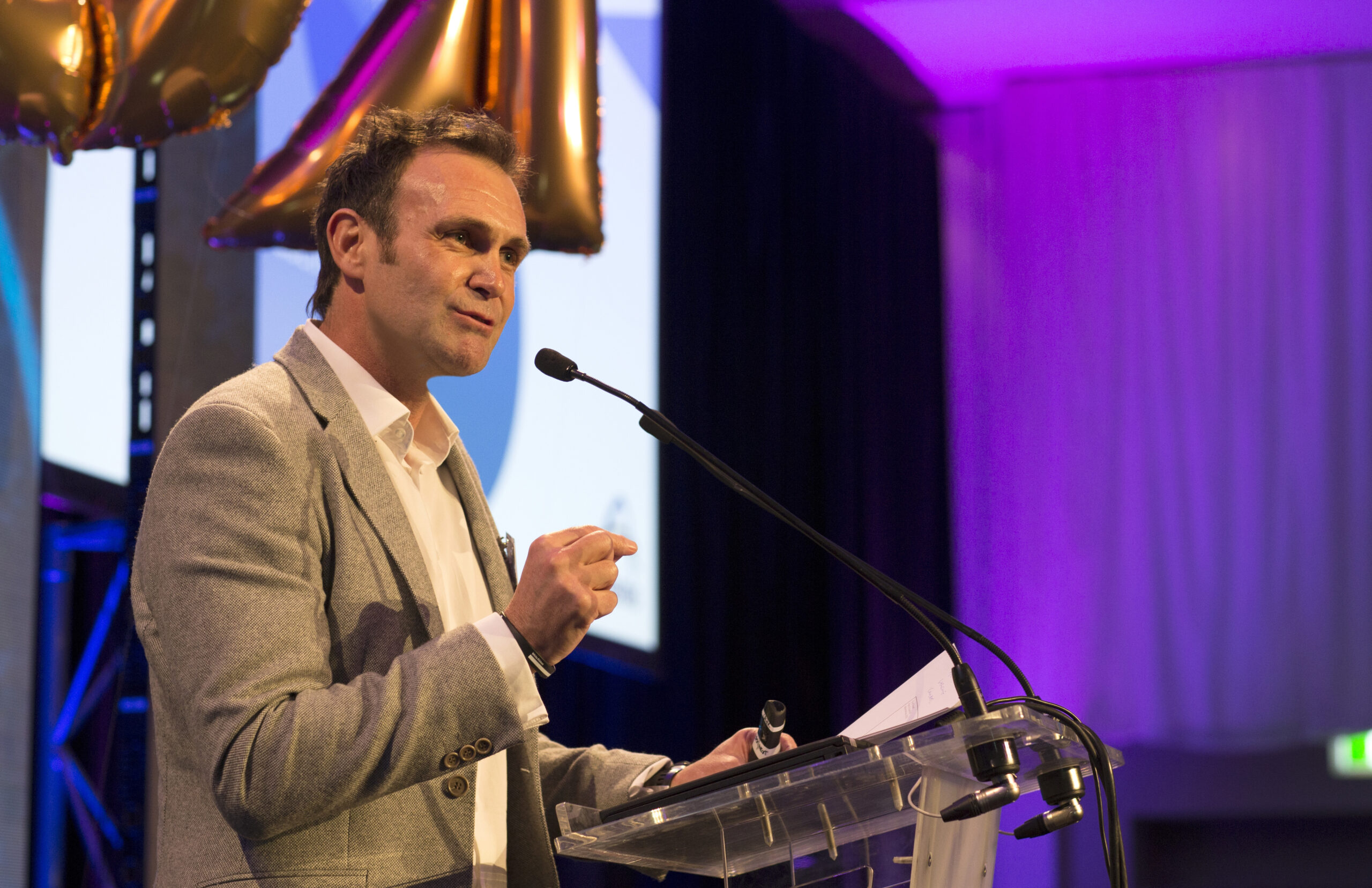
I run five workshops, each aimed at the obstacle my clients have learned to live with instead of solve.
- You Get to Choose
- Effective Communication
- Impactful Conversations
- Mindful Observations (tactical empathy)
- Presenting with Passion
Most corporate training fails for a predictable reason: it delivers information to people who already had the information. Nobody’s team is underperforming because they don’t know listening matters, or that hard conversations shouldn’t be avoided. They’re underperforming because knowing and doing are two different systems, and almost no training touches the second one.
So these sessions aren’t built to tell you something new. They’re built to catch you doing the thing you already know is a problem, in the moment, so you can practise the different move while it still costs nothing to get it wrong.
YOU GET TO CHOOSE
An impactful insight on the agency you already have
After 25 years of development work, this is the most impactful piece I’ve built. I wish I’d introduced it a decade earlier.
You’ve never once reacted to an event. You’ve only ever reacted to your interpretation of it, and mistaken the two for the same thing.
A missed deadline, a hard conversation, a downturn, a blow-up on the team: none of it arrives with a price tag. Watch two people go through the identical version of any of these and you’ll see it immediately: one is flattened, the other’s fine by lunch. Same facts. Different meaning, assigned in under a second, never once checked.
Which means the thing you assumed was missing, control over how you feel about what happens to you, was never missing. It’s been running on autopilot the whole time, deciding your reaction for you and calling it fate.
For leaders, this isn’t soft. It’s a performance question. The lens you default to decides whether you walk into the next hard moment reactive or resourceful. The people around you don’t inherit the event. They inherit your read of it.
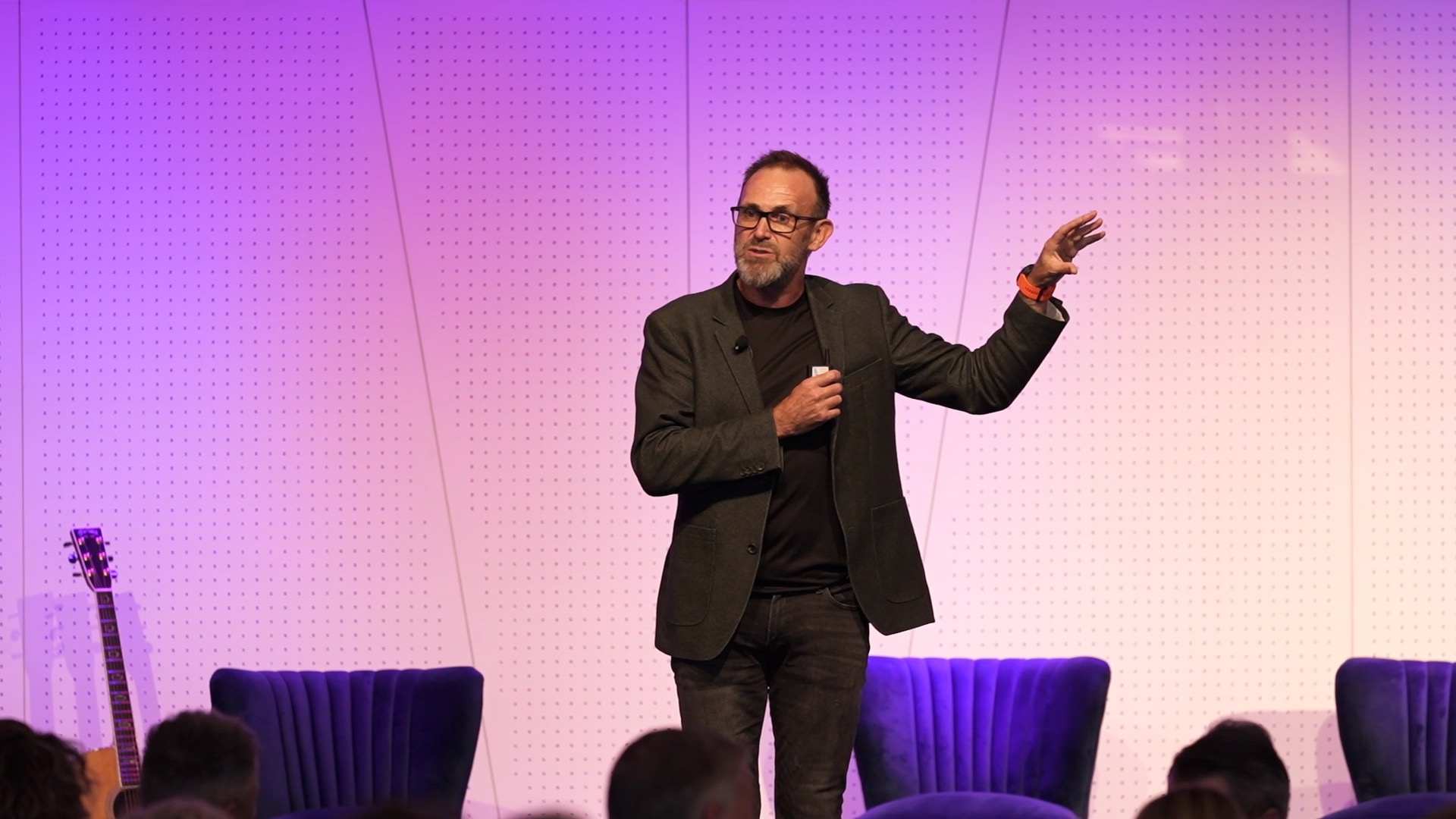
Effective Communication
Nobody hears what you said. They hear what they translated.
People don’t fail to hear you. They hear a version of you filtered through their own defaults.
Here’s what almost nobody accounts for: the way you naturally communicate is not neutral. It’s a dialect. And every person you’re trying to reach is running your words through their own dialect on the way in, which means the version they receive is never quite the version you sent. Most communication breakdowns aren’t caused by bad information. They’re caused by two people assuming they’re speaking the same language when they’re not.
Knock Knock, Who’s There? makes that translation problem visible. Using DISC, emotional intelligence, and the motivators that actually drive engagement, participants learn to hear their own dialect for the first time, and then learn to adjust on purpose, before a conversation goes wrong instead of after.
It’s interactive, unexpectedly funny, and built to work on the person in the back row who came in planning to say nothing.
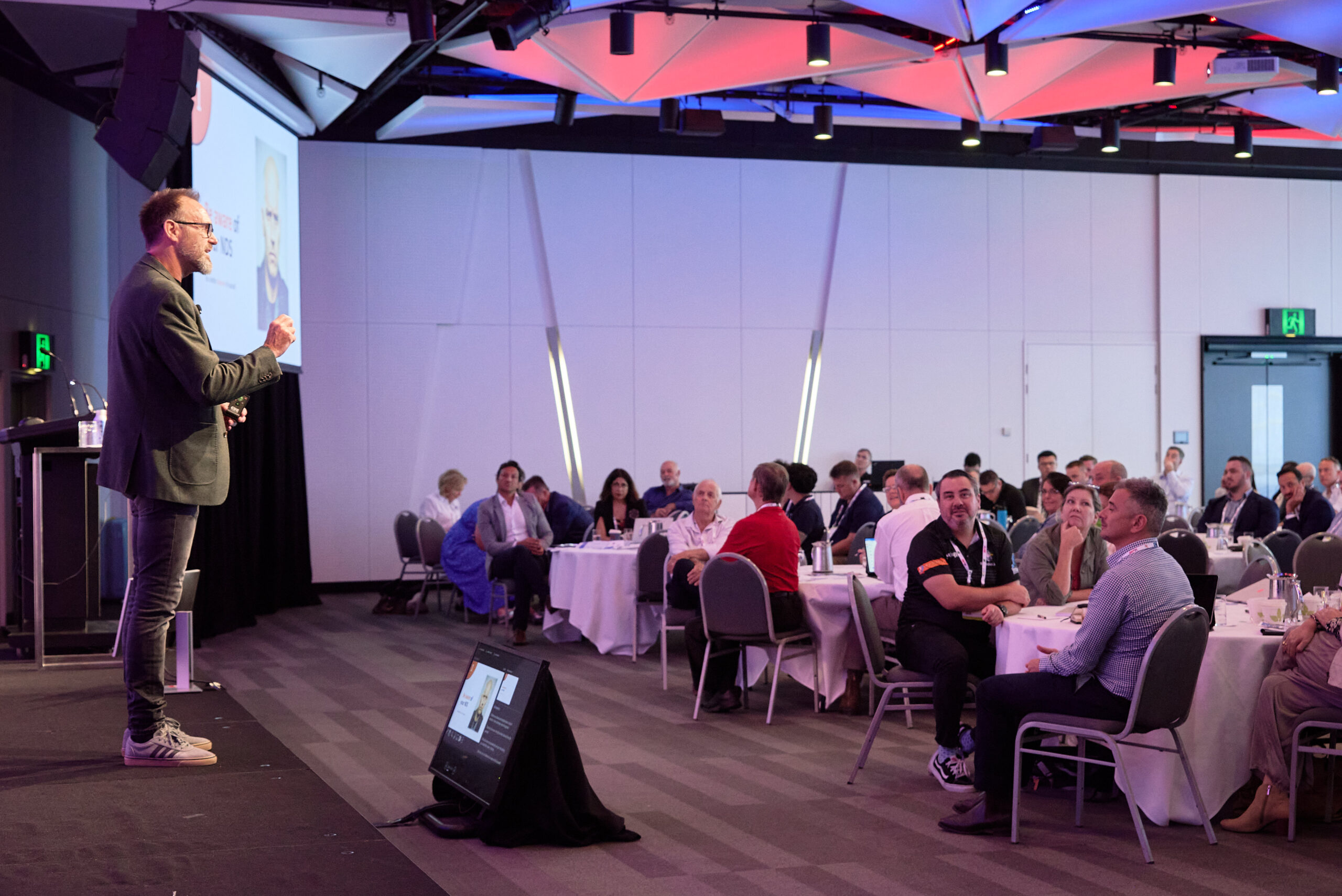
Impactful Conversations
You already know how the other person derailed the conversation. You’ve never once caught yourself doing it.
Listening persuades more than talking does.
That’s the whole problem. Everyone can describe the moment someone else got defensive, changed the subject or stopped listening. Almost nobody can describe themselves doing it. Not because they’re worse people. Watching others is easy. Watching yourself is hard.
So before we talk about handling difficult people, we ask the question that matters: what’s it like to have a conversation with you? Not what you intend. What lands.
Seven ways to make any conversation, difficult or not, land better:
- Know your natural default setting.
- Follow the structure instead of your instincts.
- Create the space, and protect it.
- Be present. All the way present.
- Listen to understand, not to respond.
- It isn’t a competition.
- Your insight matters. Say it.
Mindful Observation
Do you see things as they are or how you want to see them?
Most people assume they’re seeing reality and reacting to it. What’s actually happening is faster and less flattering: the brain fills the gaps in what it perceives with what it already expects, and hands you the finished picture before you’ve had a chance to check it. You don’t see the situation. You see your best guess about the situation, edited to feel like fact.
Mindful observation is the discipline of catching that edit before you act on it: noticing thought, feeling, and behaviour without letting the first interpretation write itself in as the truth. It’s why leaders who build this skill make faster, cleaner decisions: not because they know more, but because they’ve trained themselves to look before the prediction closes the case.
Three questions do most of the work:
- What are you looking for?
- Where are you looking from?
- How is it being presented to you?
Answered honestly, these questions expose the filter you’ve been calling “reality.” That’s usually where the real shift, personal and professional, actually starts.

Presenting with Passion
The fear isn’t the audience. It’s being seen accurately by one.
Most advice for nervous speakers tries to talk you out of the fear. It rarely works, because the fear is tracking something real: an audience is one of the few environments where you can’t control how you’re perceived while it’s happening. That’s uncomfortable. Trying to numb it just produces a flatter, more careful version of you, which an audience can also detect, instantly, and trusts even less than the nerves.
The better move isn’t to suppress the discomfort. It’s to get specific enough about your own instincts that you can use the discomfort on purpose instead of fighting it in front of an audience.
This hands-on session works through the 6 passion points to help you find that specificity. Part of it is deliberately uncomfortable: you’ll listen to a recording of yourself with no picture, watch yourself with no sound, then put both together — three separate, unfiltered views of what an audience actually receives when you speak. Most people have never seen themselves that clearly. It’s confronting. It’s also the fastest route to sounding like yourself instead of a performance of yourself.
Step up anyway. Done right, there’s nothing more powerful than holding an audience with nothing but your own words, and you’ll likely walk off stage a little prouder than you expected.